
"Indian Coffee Board"
90 article(s) found

Boutique coffee recommends Indian coffee
There are several reasons why Indian coffee is popular with coffee lovers, but the most important is a process used on coffee beans, often called the monsooning process. Coffee production in India: coffee is grown in the Gozhi Mountains in western India, where the southwest monsoon is crucial to coffee growth. Except in Karnataka (Ka

Indian Coffee Manor Arab Plantation Coffee
The best Indian coffee is also classified as Arabian plantation coffee, with the best grades A, B, C and T. Monsoon coffee is divided into high-quality Malabar (Monsooned MalabarAA grade coffee) and monsoon Bassanicoli (Monsooned Basanically) coffee. India also produces some bean-shaped berry coffee. At present, the problem facing the coffee industry is bureaucracy.

The origin of coffee in India the characteristics of Indian coffee
There are several reasons why Indian coffee is popular with coffee lovers, but the most important is a process used on coffee beans, often called the monsooning process. Coffee production in India: coffee is grown in the Gozhi Mountains in western India, where the southwest monsoon is crucial to coffee growth. Except in Karnataka (Ka

The origin of Indian coffee introduces how Indian coffee is grown? What's the flavor of Indian coffee?
Slippery and delicious coffee with uniform granules. There are several reasons why Indian coffee is so popular with coffee hobbies, but the most important is a process used in coffee beans, often called the monsooning process. In the past, passengers or goods sailed to and from India, which took about several months to reach Europe. In transit due to

Indian coffee flavor Indian monsoon coffee beans
Slippery and delicious coffee with uniform granules. There are several reasons why Indian coffee is so popular with coffee hobbies, but the most important is a process used in coffee beans, often called the monsooning process. In the past, passengers or goods sailed to and from India, which took about several months to reach Europe. In transit due to
Indian "monsoon"
There are several reasons why Indian coffee is popular with coffee lovers, but the most important is a process used on coffee beans, often referred to as the "monsooning" process.

Indian coffee bean grading system the flavor characteristics of Indian coffee producing areas the current situation of Indian coffee industry
Professional coffee knowledge exchange more coffee bean information please follow the coffee workshop (Wechat official account cafe_style) Indian coffee style! The history of coffee cultivation in India is said to have been brought out of the Arab world for the first time by Muslim pilgrim Baba Budan in 1650 and was successfully planted in Chickmagalur (located in the Karnataka district) in South India. To this day, this
Description of Arabica Flavor of Indian Coffee A brief introduction to the producing area of Indian Coffee
Slippery and delicious coffee with uniform granules. There are several reasons why Indian coffee is so popular with coffee hobbies, but the most important is a process used in coffee beans, often called the monsooning process. In the past, passengers or goods sailed to and from India, which took about several months to reach Europe. In transit due to
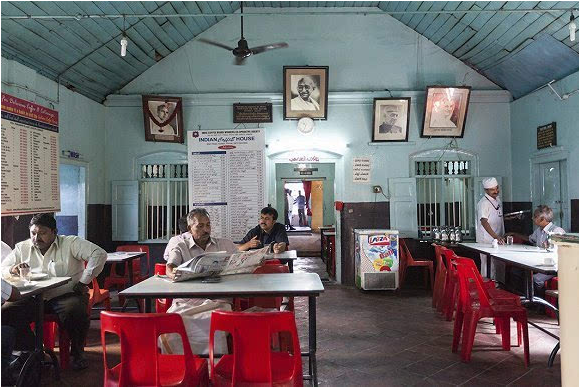
The Indian Cafe is a flowing feast.
Stuart Freedman was stunned when he first set foot on the soil of Delhi in the mid-1990s. The London-based photographer has been to South Asia and the Middle East, but the bustling Indian capital still caught him off guard. So when he found himself in the spacious and comfortable table of the Indian Cafe (Indian Coffee House) on Baba Kharak Singh Marg Street
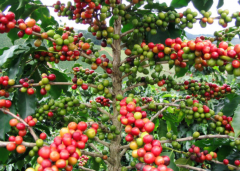
Indian monsoon coffee Indonesian coffee
There are several reasons why Indian coffee is popular with coffee hobbies, but the most important is a process used in coffee beans, often called the monsooning. In the past, passengers or goods sailed to and from India, which took about several months to reach Europe. In transit, due to high air humidity, the taste of raw coffee beans

Introduction to the varieties of Indian coffee beans of slippery, delicious, even-grained coffee
In addition to Karnataka, good coffee is grown in Tellichery and Maral in the southwestern state of Kerala, as well as in Nilgiris in the southeastern state of Tamil Nadu, formerly known as Madras. The best Indian coffee is also classified as
Slippery, delicious coffee with uniform particles, Indian coffee.
There are several reasons why Indian coffee is so popular with coffee hobbies, but the most important one is a process used in coffee beans, often called the monsooning process. In the past, passengers or goods sailed to and from India, which took about several months to reach Europe. In transit, due to the high air humidity, the taste of raw coffee beans

Introduction of Indian Coffee Asian Coffee Bean producing countries
There are several reasons why Indian coffee is so popular in coffee hobbies, but the most important one is a process used in coffee beans, often called the monsooning process. In the past, passengers or cargo sailed to and from India, which took months to reach Europe. In transit, due to the high air humidity, the taste of raw coffee beans and
The most popular coffee in Asia, Indian coffee.
Slippery and delicious coffee with uniform granules. There are several reasons why Indian coffee is so popular with coffee hobbies, but the most important one is a process used in coffee beans, often called the monsooning process. In the past, passengers or goods sailed to and from India, which took about several months to reach Europe. In transit due to

Tricheli and Maral Indian coffee in Kerala
Slippery and delicious coffee with uniform granules. There are several reasons why Indian coffee is so popular with coffee hobbies, but the most important is a process used in coffee beans, often called the monsooning process. In the past, passengers or goods sailed to and from India, which took about several months to reach Europe. In transit due to
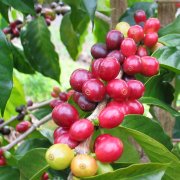
Indian monsoon coffee beans are slippery and delicious, with even granules.
Slippery and delicious coffee with uniform granules. There are several reasons why Indian coffee is so popular with coffee hobbies, but the most important is a process used in coffee beans, often called the monsooning process. In the past, passengers or goods sailed to and from India, which took about several months to reach Europe. In transit due to

What is Indian coffee? The reason for the story of Indian monsoon Malaba coffee
Professional Coffee knowledge Exchange more information about coffee beans Please follow the story of Coffee Workshop (official Wechat account cafe_style) dating back to the 19th century, when India was still a British colony. Coffee produced from India is shipped to England. Before the opening of the Suez Canal, it was necessary to make a detour from India to Britain through the Cape of good Hope at the southern tip of Africa, across the Indian Ocean and Great Britain.

Indian Coffee-Mystery Coffee of Mystery Country
Indian coffee is loved by coffee lovers for several reasons, but the most important is due to a process applied to coffee beans, commonly known as monsoon in R. In the past, passengers or cargo travelling to and from India on sailboats took months to reach Europe. The taste of raw coffee beans during transportation due to high air humidity
Coffee producing area Coffee introduction to Indian Coffee
Slippery and delicious coffee with uniform granules. There are several reasons why Indian coffee is so popular with coffee hobbies, but the most important one is a process used in coffee beans, often called the monsooning process. In the past, passengers or goods sailed to and from India, which took about several months to reach Europe. In transit due to

Indian coffee is slippery and delicious, with even granules.
Consumers are getting used to this, so when steamships shorten the journey time, coffee producers find that consumers still want beans of the same color and taste that are affected by long trips. In order to recreate the flavor of the original coffee, the monsoon process was used. Monsoons occur in southwestern India in May and June every year, so